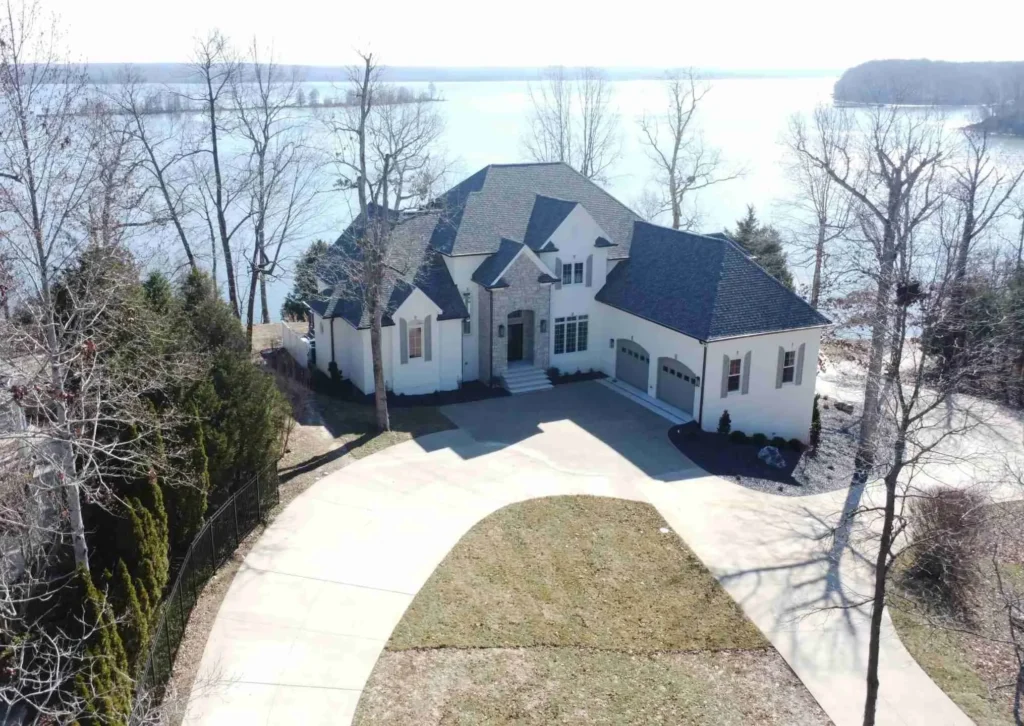
If you’re trying to decide whether building a custom home fits your life over the next year or two, you need a straight answer before you fall in love with a floor plan. Here it is: most custom homes in Kentucky take about 12 to 18 months from your first real conversation with a builder to the day you get the keys, with the active construction phase usually running 6 to 12 months of that. The wide range isn’t a dodge — it’s the honest truth, and where your project lands inside it depends on a handful of decisions you actually control. This guide walks through exactly where every month goes, what speeds a build up, and what quietly adds months you didn’t plan for.
The Short Answer: Your Realistic Custom Home Timeline
When people hear “6 to 12 months to build a house,” they picture that as the whole thing — and then feel blindsided when their project stretches past a year. The confusion comes from mixing up two different clocks.
The 6-to-12-month figure is the construction phase — the part where crews are physically on your lot, from breaking ground to final walkthrough. The full journey is longer, because before a single shovel hits dirt, you spend months designing the home, finalizing selections, securing financing, and pulling permits. Stack those together and a realistic custom home building timeline in Kentucky runs roughly 12 to 18 months end to end.
That tracks with national data, too. According to the U.S. Census Bureau’s Survey of Construction, contractor-built single-family homes averaged about 11.9 months of construction in 2024, while the broader industry consensus puts a true custom build at 10 to 16 months once design and pre-construction are folded in. A larger or more detailed home pushes toward the top of that range; a streamlined, decision-ready project comes in under it.
Where Every Month Actually Goes: The Build, Phase by Phase
A custom home isn’t one long task — it’s a sequence of phases, some of which overlap. Here’s how the months typically distribute on a Western Kentucky project.
| Phase | What happens | Typical duration |
|---|---|---|
| Design & pre-construction | Floor plan, selections, engineering, estimates, financing | 3–6 months |
| Permitting & site prep | Permits pulled, lot cleared, utilities staged, foundation laid out | 1–2 months (often overlaps) |
| Foundation & framing | Footings, foundation, framing, roof — the home takes shape | 2–3 months |
| Systems & drywall | HVAC, plumbing, electrical rough-in, insulation, drywall | 1–2 months |
| Interior & exterior finishes | Cabinetry, flooring, paint, fixtures, siding, trim | 2–3 months |
| Walkthrough & move-in | Final inspections, punch list, handoff | 2–4 weeks |
Design and Pre-Construction (3–6 Months)
This is the phase most homeowners underestimate, and it’s the one that sets the tone for everything after. You’ll work through the floor plan, lock in finishes and fixtures, get structural details engineered, and line up financing. The more decisions you make here — paint, tile, cabinet style, lighting — the smoother the back half goes. If you’re starting from scratch rather than an existing plan, our custom home building process folds this stage into the build so the design and construction teams are speaking the same language from day one.
Permitting and Site Prep (1–2 Months)
Once plans are final, permits get pulled and the lot is prepared — clearing, grading, and staging utilities. In rural Western Kentucky counties, permitting is generally lighter and faster than in major metro markets, where approvals can drag on for months. That’s a real, often-overlooked advantage of building here. Most homes start construction within about a month of permit approval.
Foundation Through Framing (2–3 Months)
This is the stretch where progress feels fast and visible. Footings and the foundation go in, then framing and the roof. Within a couple of months your home goes from a flat lot to a structure you can walk through. Weather has the most influence on this phase — more on that below.
Systems, Drywall, and Finishes (3–5 Months)
Once the home is weather-tight, the trades move in: HVAC, plumbing, and electrical rough-ins, then insulation and drywall, then the finish work that makes a house feel like your home — cabinetry, countertops, flooring, paint, and fixtures, alongside exterior siding and trim. This is where the quality of craftsmanship shows, and it’s worth seeing in person. Our current projects and gallery show what this finish work looks like across real Western Kentucky builds.
What Speeds Up — or Slows Down — a Kentucky Custom Build
Two homes of the same size can finish months apart. The difference usually comes down to these factors, which split cleanly into what you control and what you don’t.
Mostly within your control:
- Decision speed. Slow selections are the single most common cause of delay. Every “let me think about the tile” pushes the schedule.
- Change orders. Reworking a wall or relocating plumbing mid-build resets parts of the sequence. Lock decisions early.
- How early you choose a builder. Engaging a builder during design — not after — catches budget and buildability issues before they cost time.
Largely outside your control:
- Home size and complexity. A 1,800-square-foot ranch finishes far faster than a 4,000-square-foot home with custom millwork and multiple rooflines.
- Weather. Kentucky’s wet springs and cold snaps can stall site work and foundations.
- Material and labor availability. Specialty orders and skilled-trade scheduling can add weeks, though a builder who orders long-lead items early absorbs most of that risk.
Pro tip: The fastest way to protect your timeline is to walk into your design phase with your “must-haves” already settled — number of bedrooms, rough square footage, and the three or four finishes you care most about. Decision-ready homeowners routinely shave a month or more off the total build.
How Western Kentucky’s Location Shapes Your Timeline
Where you build matters more than most national guides admit. Census data consistently shows the South region builds faster than the Northeast or West — the South averaged the shortest construction times in the country in 2024. Kentucky sits squarely in that faster-building region, which works in your favor.
Local site conditions matter too. Building on a wooded or sloped lot near Kentucky Lake or Lake Barkley can mean extra site prep — clearing, grading, and sometimes specialized foundation work — that a flat in-town lot in Benton or Murray wouldn’t require. None of that is a dealbreaker; it just belongs in your timeline from the start rather than as a mid-build surprise. As a builder based in Benton and working across Marshall County and the surrounding lake communities for more than two decades, we plan for those site realities before they become schedule problems.
The Mistakes That Quietly Add Months
After 20-plus years of building across Western Kentucky and Northwest Tennessee, the delays we see most often aren’t dramatic — they’re small lapses that compound.
Homeowners wait too long to choose a builder, then discover during construction that the plan they paid an architect to draw doesn’t fit their budget or their lot. They treat selections as something to handle “as we go,” and the build stalls every time a decision is due. They underestimate financing timelines and aren’t loan-ready when the design is finished. Each of these is avoidable, and each one can add a month or more. The fix is the same in every case: bring your builder in early. You can see how we approach that partnership on our about us page.
How to Keep Your Custom Home Build on Schedule
You can’t control the weather, but you can control most of what determines your timeline. Here’s the sequence that keeps projects moving:
- Set your non-negotiables first — square footage, bedroom count, budget range, and the finishes that matter most to you.
- Engage a builder during design, not after. This catches buildability and budget issues while they’re still cheap to fix.
- Get your financing lined up early so you’re loan-ready the moment plans are final.
- Make selections in batches rather than one at a time, and resist mid-build change orders once construction starts.
- Trust the phase sequence. A good builder schedules trades and long-lead materials in advance so the project never waits on a backorder.
A custom home in Kentucky is a 12-to-18-month commitment, and the families who finish on the shorter end aren’t lucky — they’re prepared. They picked a builder early, made decisions on time, and let an experienced team manage the sequence. If you’re at the stage where a realistic timeline for your lot and your plan would help you decide, that’s exactly the conversation worth having. Reach out through our custom home building team or get in touch directly — we’ll give you an honest timeline for your project, not a sales pitch.